You’ve probably heard this before: “We use the same software as 10,000 other companies.” If that statement makes you feel comfortable, I’d gently push back. If you feel that way, you might be leaving money on the table.
Most businesses operate on a fundamental assumption about software: you buy what exists, customize it as much as the vendor allows, and make it work. It’s practical. It’s fast. And honestly, it’s how 80% of businesses operate. But there’s a hidden cost hiding in that approach that most business owners don’t see until it’s too late.
Let me paint a picture. You’re running a mid-sized operation—say, 50-100 employees. You’ve got your ERP system, your CRM, maybe a project management tool, possibly an accounting system. These tools were built for a generic market, not for the specific way you do business. So what happens?
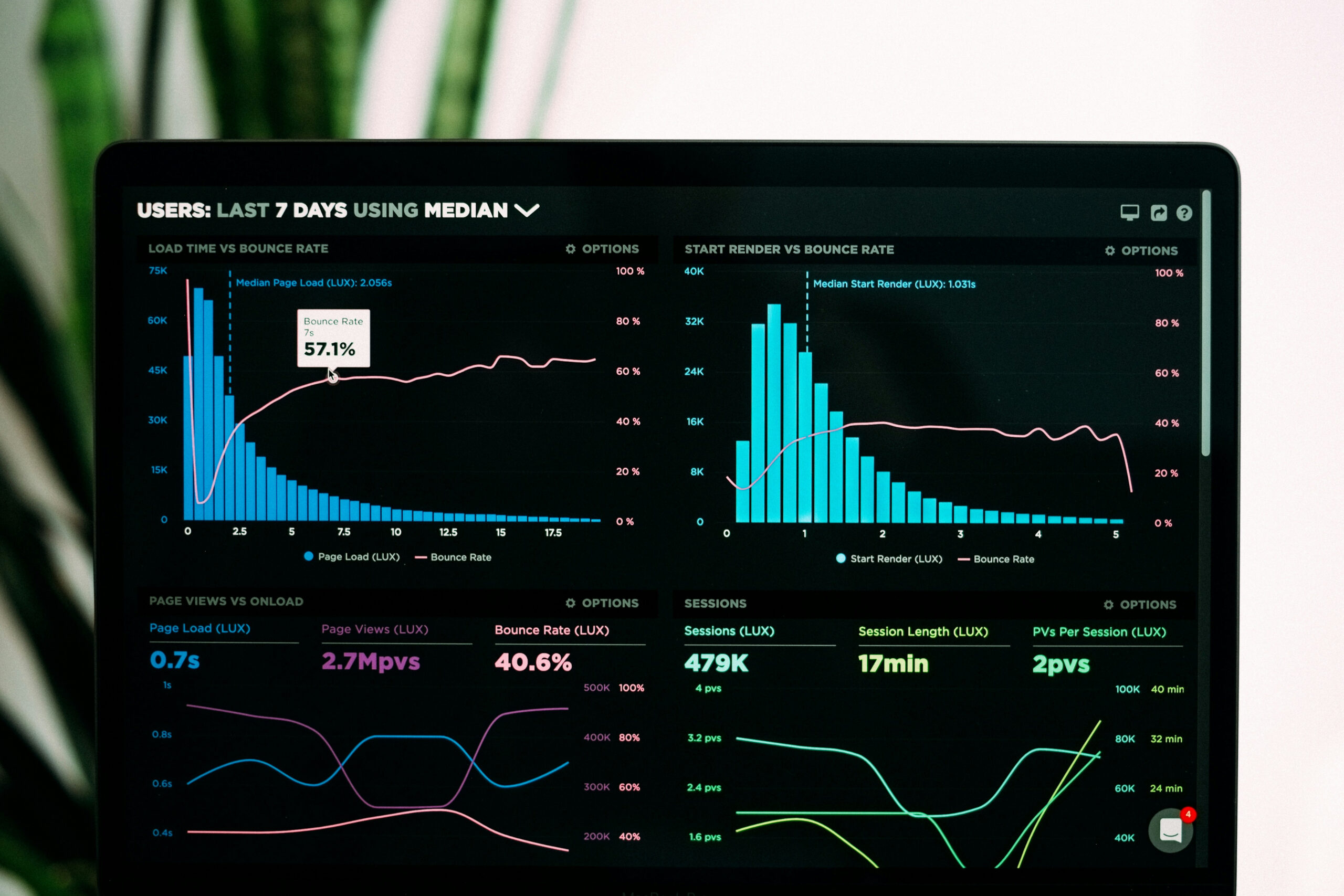
Your team spends hours every week doing manual workarounds. Data gets entered twice because systems don’t talk to each other. Reports take forever because you’re stitching data together from three different platforms. Your sales team’s workflow doesn’t actually match how your CRM is set up, so they skip steps. Customer support has to manually look up information that should be automated. Someone’s constantly saying, “That feature would be perfect if it just worked a little differently.”
That’s the hidden cost. It’s not always dramatic—it’s death by a thousand cuts.
Here’s what most business owners calculate: the cost of buying software licenses. What they don’t fully factor in is the cost of workarounds, the time wasted by employees using software that doesn’t fit their actual workflow, the missed opportunities because you can’t automate something that’s business-critical, and the compounding inefficiency that happens when your systems don’t integrate properly.
I’ve worked with companies where switching from their generic solution to a custom-built system actually saved them money within 18 months. How? By automating away 15-20 hours per week of manual work, reducing data entry errors by 80%, and allowing their team to focus on revenue-generating activities instead of firefighting system problems.
The real question isn’t: “Can we afford custom software?” It’s: “Can we afford to keep using software that doesn’t actually fit how we work?”
Custom software aligned with your actual business processes doesn’t just feel better—it compounds efficiency gains. A 5% improvement in workflow efficiency across a team of 50 people is massive. It’s not just faster—it’s fewer mistakes, better data, faster decision-making, and team morale that improves because people aren’t fighting their tools.
Now, custom software isn’t always the answer. If you’re a solo founder or a brand-new business, off-the-shelf solutions make sense. But if you’ve hit a point where your operations are complex, where your team is substantial, or where your unique business model doesn’t fit neatly into template solutions, custom development is worth serious consideration.
The companies that get this right aren’t necessarily the biggest. They’re the ones who realized that software should serve their business, not the other way around.