You’re making business decisions based on data, right? Of course you are. Every smart business does. But here’s the question I want you to sit with for a second: how much time is your leadership team spending hunting for that data?
Most business owners I talk to have a similar pattern. They want to know something—how’s our pipeline looking this month? Which customers are at risk? What’s our cash runway? Are we hitting our operational targets?
And then begins the treasure hunt. Someone spends 30 minutes pulling data from the CRM, someone else exports a spreadsheet from the accounting system, a third person has to manually cross-reference information from another platform. Then that data sits in an email or a shared drive, getting outdated within days. Next week, someone does the whole thing again because nobody can remember where the last version was.
You think you’re getting real-time visibility into your business. You’re actually getting a snapshot from four days ago, filtered through whoever had time to compile it.
Custom dashboards flip this on its head.
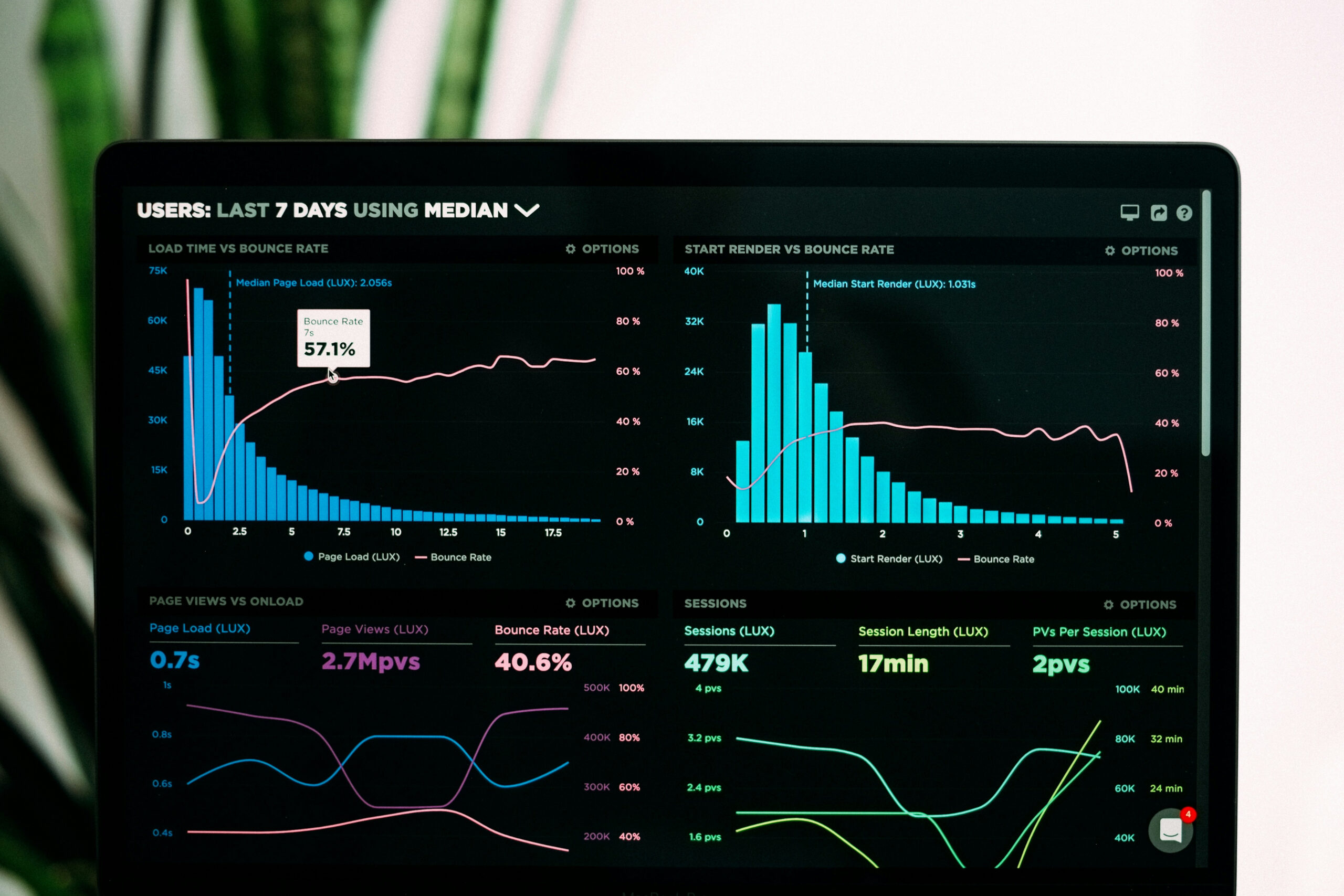
Instead of hunting for data, the data comes to you. Real-time. Always current. Exactly the metrics that matter to your business. Your dashboard shows you what you actually care about—not the 50 metrics that a generic business intelligence tool defaults to, but the 5-7 metrics that actually drive your decision-making.
Let me give you a realistic example. A company I worked with was spending roughly 8-10 hours per week having someone manually compile sales pipeline data. Their forecasts were often wrong because the data was old. Their leadership team was always asking “Is this current?” and the answer was usually “Sort of.”
They invested in a custom dashboard that pulled data directly from their CRM and accounting system, updated every hour. Three months later, they weren’t just saving the 8-10 hours per week—they were making faster, more accurate business decisions. Their forecast accuracy improved. They caught customer issues faster. They adjusted strategy mid-month instead of waiting for the monthly report.
That sounds like a small thing. It’s not.
Most generic business intelligence tools are built for huge enterprises with massive IT teams. They’re overkill for mid-market companies. Custom dashboards are built specifically for your business. They pull the data you need, display it the way you think about it, and do it without requiring someone to be a data scientist to understand it.
The hidden benefit? Your team stops making decisions based on “feeling” or “what I remember” and starts making them based on actual current data. Consistency improves. Arguments about what’s actually happening end. You move faster because you’re not spending time debating the facts.
Here’s what this typically looks like: a custom dashboard costs you somewhere between $5-15K to build properly (depending on complexity). You save 10+ hours per week of manual data compilation. That’s roughly 500 hours per year. At an average employee cost of $50/hour, that’s $25K in recovered productivity. The dashboard pays for itself in the first six months and keeps paying dividends every year after.
More importantly, your team makes better decisions faster. That’s worth something that doesn’t fit neatly into the spreadsheet.